










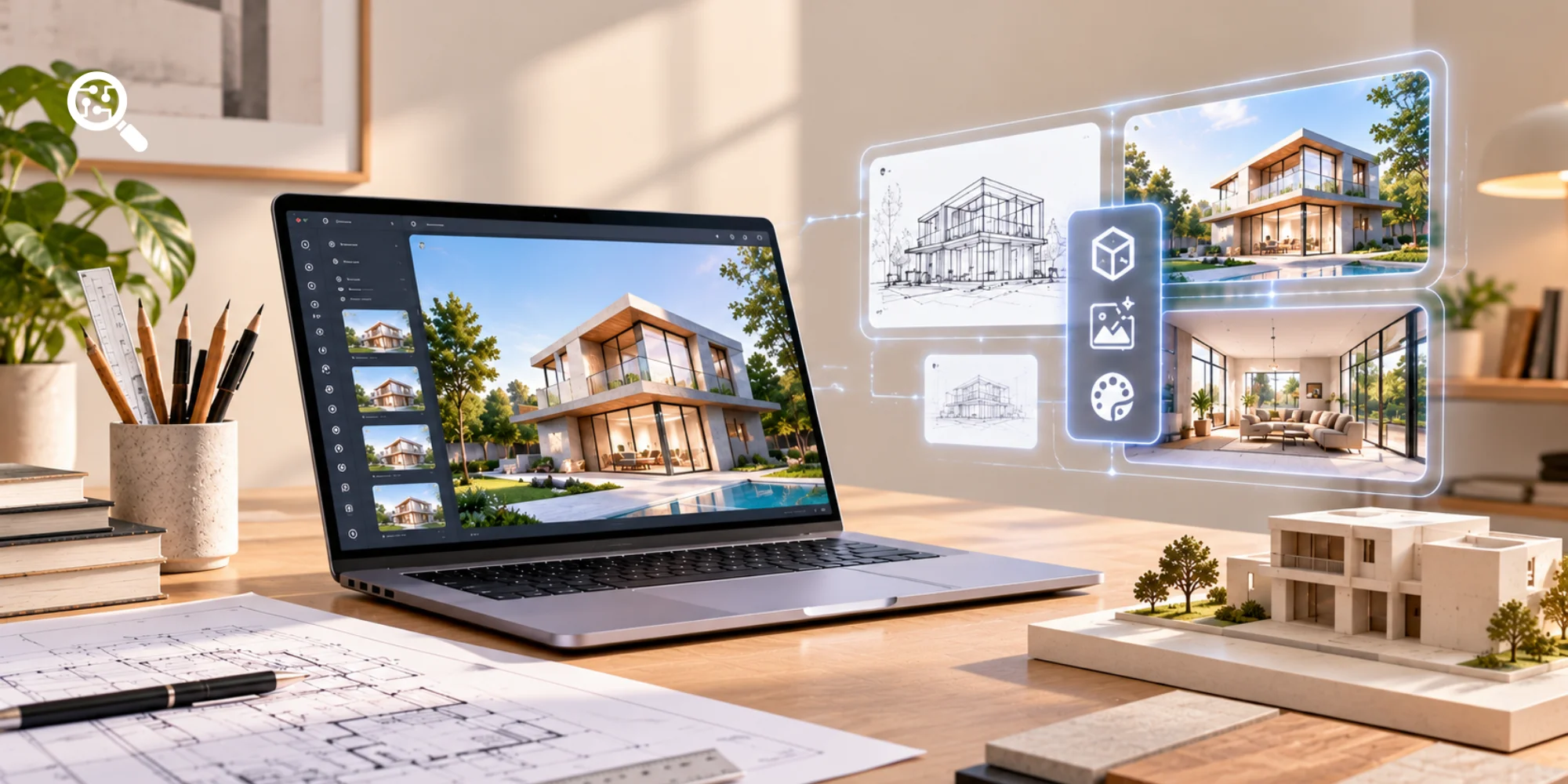
Artificial intelligence is transforming the digital design industry by introducing faster, smarter, and more accessible ways to create visual content. From professional graphic design to social media illustrations, AI-powered technologies are changing how individuals and businesses develop attractive images. These innovations allow creators to explore new ideas, experiment with different artistic styles, and produce professional-looking designs with less manual effort.
As online competition continues to increase, high-quality visual content has become essential for businesses, marketers, designers, and content creators. Modern AI Design Tools are helping meet this demand by simplifying creative processes and providing new opportunities for digital expression. Whether someone wants to design promotional graphics, website illustrations, or engaging social media content, artificial intelligence offers practical solutions for modern creative projects.
Understanding the Role of AI Design Tools
AI Design Tools are software applications that use artificial intelligence to assist users with different aspects of the design process. These platforms can generate images, suggest layouts, improve visual elements, remove backgrounds, and help users develop creative concepts.
Traditional graphic design often requires technical knowledge and experience with specialized software. However, AI-powered platforms make many design activities easier for beginners and professionals alike.
For example, a small business owner can create promotional graphics without hiring a full-time designer. A content creator can experiment with different image styles, while a professional designer can use AI-generated concepts to speed up the early stages of a project.
These tools do not eliminate the need for human creativity. Instead, they provide additional resources that help designers focus on originality, visual storytelling, and delivering better results.
How Artificial Intelligence Is Transforming Digital Images
Digital images play an important role in modern communication. Websites, advertisements, online stores, and social media platforms all depend on attractive visuals to capture attention and communicate information.
Artificial intelligence is making image creation and editing more efficient. Users can generate visual concepts from written descriptions, enhance image quality, adjust backgrounds, and explore different compositions.
One major advantage is the ability to experiment with multiple versions of an image. Instead of manually creating every variation, users can explore different colors, lighting effects, backgrounds, and artistic styles through AI-powered features.
This flexibility is particularly useful for businesses that regularly produce marketing materials. It allows creative teams to explore new ideas and develop visuals that match their brand identity.
Creating Engaging Creative Visuals With AI
Attractive Creative Visuals can make digital content more memorable and improve how audiences interact with a brand. AI-powered design technology helps creators develop these visuals by simplifying several complicated design tasks.
For instance, users can describe a particular scene, product concept, or artistic direction and use AI to generate visual suggestions. They can then refine the results by adjusting details such as composition, color combinations, and image style.
There are several ways to improve the creative process:
- Write clear descriptions: Detailed instructions help AI platforms understand the intended visual concept.
- Explore different styles: Experiment with realistic photography, illustrations, abstract artwork, and modern graphic designs.
- Maintain visual consistency: Use similar colors, typography, and design elements across related projects.
- Review generated results: Check image quality and make necessary adjustments before publishing.
- Combine AI with human creativity: Use generated concepts as a starting point for original design work.
Following these practices can help individuals produce more effective visuals for personal and professional purposes.
Applications Across Different Industries
AI-powered design technology is becoming useful across a wide range of industries. Its flexibility makes it suitable for businesses and individuals with different creative requirements.
1. Digital Marketing
Marketing professionals need attractive graphics for advertisements, promotional campaigns, and online communication. AI design platforms can help generate multiple visual concepts, making it easier to experiment with different marketing approaches.
2. Social Media Content
Social media creators regularly need fresh images to maintain audience engagement. AI tools can support the development of post graphics, banners, thumbnails, and other visual materials.
3. Website Development
Website designers can use AI to explore backgrounds, illustrations, icons, and promotional graphics. These visual elements can help create more appealing websites and improve the overall user experience.
4. E-Commerce Businesses
Online stores depend on product presentation to attract potential customers. AI-assisted image editing can help improve product visuals, create promotional backgrounds, and develop advertising concepts.
5. Education and Presentations
Teachers, students, and professionals can use AI-generated illustrations to make presentations and educational materials more engaging. Visual explanations can also help communicate complex information more effectively.
Benefits of Using AI-Powered Design Technology
One of the biggest advantages of AI design technology is time efficiency. Traditional design projects can involve several stages, including brainstorming, creating initial concepts, editing images, and preparing final files. AI-powered features can simplify many of these activities.
Another benefit is accessibility. People without professional graphic design experience can explore creative projects using relatively simple instructions and intuitive interfaces.
Cost efficiency is also important, especially for startups and small businesses. Instead of depending entirely on expensive design resources, companies can use AI tools to develop initial concepts and support their existing creative teams.
Furthermore, these platforms encourage experimentation. Designers can test multiple visual directions, discover new ideas, and refine their work without manually recreating every element.
These benefits make AI-assisted design an increasingly valuable option for modern digital workflows.
Challenges and Limitations of AI Design Tools
Although AI technology offers many opportunities, it is important to understand its limitations. Generated images may sometimes include incorrect details, unusual proportions, or visual elements that do not match the original instructions.
Copyright and licensing requirements should also be considered. Users creating commercial materials should review the platform’s terms and understand how generated content can be used.
Another challenge is maintaining originality. Relying entirely on automated designs may result in visuals that lack a distinctive brand identity. Human creativity, professional judgment, and thoughtful editing remain important parts of producing meaningful design work.
For the best results, creators should treat AI as a supporting technology rather than a complete replacement for their creative skills.
The Future of Digital Design and Visual Creativity
The future of digital design will likely involve greater collaboration between human designers and artificial intelligence. As AI technology improves, design platforms may provide more accurate image generation, advanced editing options, and better customization features.
Businesses may use these developments to create personalized marketing materials and explore new ways of communicating with customers. Independent creators may also benefit from more accessible tools that allow them to experiment with complex visual concepts.
AI Design Tools are expected to remain an important part of this transformation, supporting creative professionals while making digital design more accessible to a wider audience.
Conclusion
Artificial intelligence is revolutionizing digital design by making image creation faster, more flexible, and accessible. From marketing graphics and website illustrations to social media content and product visuals, modern AI-powered platforms are changing how people approach creative projects.
By combining advanced technology with human imagination, designers can develop engaging Creative Visuals that communicate ideas effectively and support their professional goals. Although AI still has limitations, its growing capabilities offer exciting opportunities for the future of digital images and creative expression.


2 thoughts on “How AI Design Tools Are Revolutionizing Digital Images and Creative Visuals”